Fluorescent Ban
The Fluorescent Lamp Phase Out – What is happening?
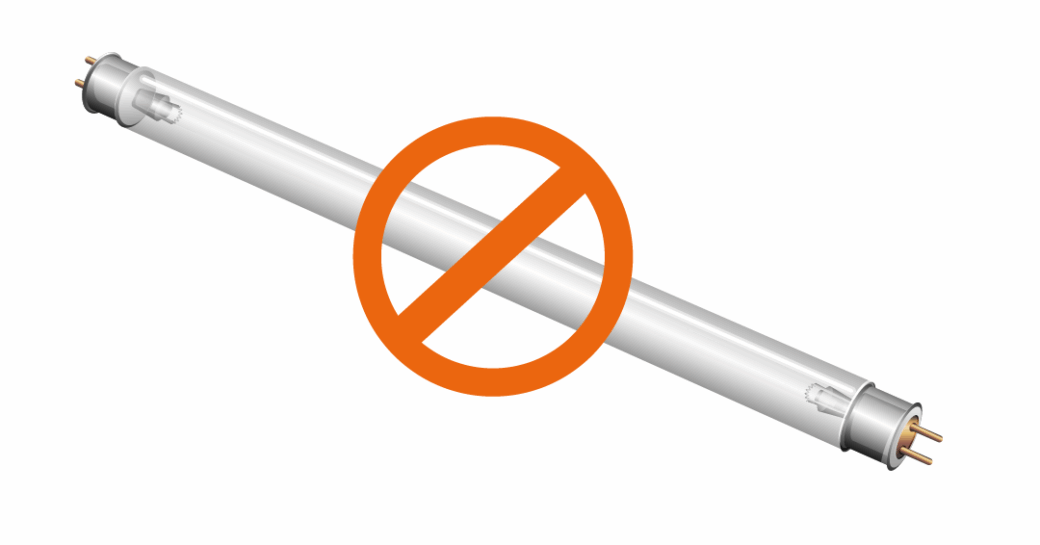
In 2023, the EU and Great Britain introduced new rules that phase out many general-purpose fluorescent lamps. These changes are driven by energy-efficiency goals and restrictions on hazardous substances, including mercury. However, specialist ultraviolet (UV) lamps designed primarily for insect light traps (ILTs) are treated differently under the RoHS Directive.
- The EU RoHS Directive restricts hazardous substances, including mercury, in electrical and electronic equipment.
- Special-purpose lamps designed to emit mainly ultraviolet light – including those used in ILTs – are covered by a RoHS exemption that allows up to 5 mg mercury.
- That exemption is currently valid until 24th February 2027, but renewal activity is under way.
- LightingEurope submitted renewal requests for relevant exemptions in August 2025, and stated in October 2025 that a renewal request keeps the existing exemption in force during evaluation. If a renewal is refused, a final transition period of 12–18 months would still be expected.
- Because the EU review process can take up to two years, fluorescent UV‑A lamps used in ILTs are expected to remain available and compliant into 2028 – and potentially longer depending on the outcome.
What about Great Britain?
Whilst the UK mirrors many of the EU RoHS requirements, Great Britain manages its own exemptions independently through DEFRA.
In September 2025, LightingEurope and the Lighting Industry Association (LIA) confirmed that renewal requests for the relevant UV lamp exemptions were submitted both to the European Commission and to UK authorities.
This means that, in practice, the same exemptions remain valid for the GB market, although final decisions will be announced separately by the UK Government.

How does this affect the industry?
Currently, there is no immediate ban on fluorescent lamps used specifically for insect control. Nevertheless, availability, pricing and supply chain continuity may change over time. It is therefore sensible to understand your options and plan for the future.

Your Options Explained
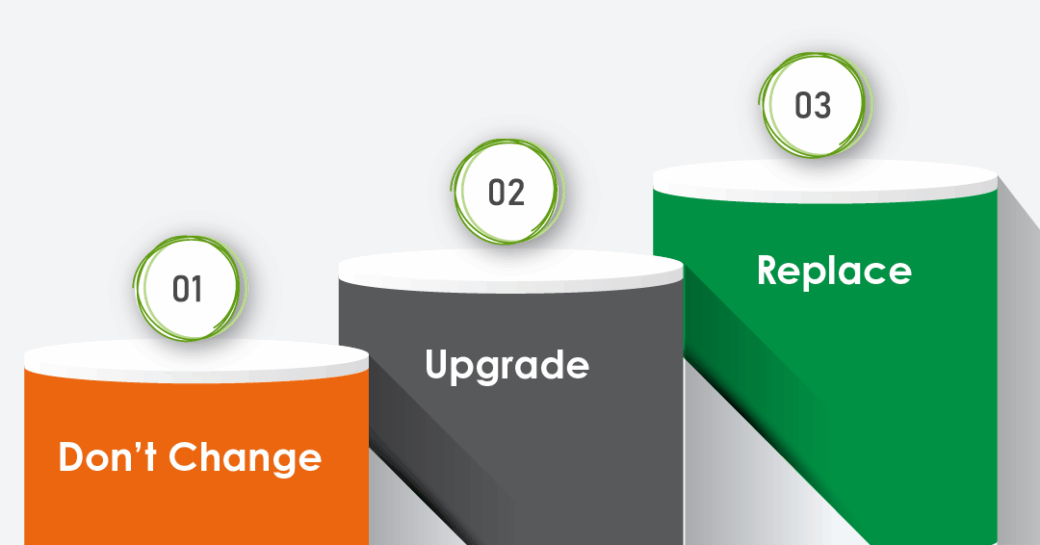
Whilst fluorescent UV lamps remain available, there are three practical approaches many customers are considering: Don’t change, Upgrade, or Replace. Below we explain what each option means and the trade-offs to consider:
Don’t Change
You may choose to continue buying and using fluorescent UV lamps while stocks last. This avoids upfront costs and keeps existing ILT stocks and spares in service.
- Stock availability may become limited and prices may rise
- Control‑gear and ballast parts could become harder to source
- Plan for longer-term support and spares management now – a proactive risk-mitigation approach
- You will not benefit from the performance and energy advantages of LED technology
Upgrade
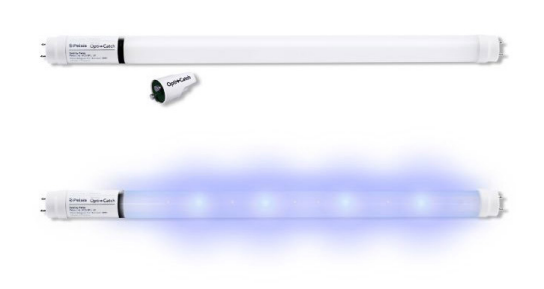
Use our LED replacement retrofit tube to immediately benefit from the advantages that come with LED technology
- This provides a lower-cost and lower-disruption pathway to benefiting from energy savings, reduced carbon emissions, longer lamp life, and lower maintenance costs
- Ensure that retrofit LED tubes are compatible with your existing fluorescent ILTs
- Pelsis can advise on compatibility with existing Insect-O-Cutor, Synergetic and Brandenburg ILTs
Replace
A direct replacement with a modern LED ILT offers the strongest future-proofing – improved energy efficiency, a lower carbon footprint, guaranteed insect catch performance, simpler maintenance, and predictable supply.
- LED ILTs eliminate mercury and reduce ongoing energy costs, often delivering a return on investment through energy efficiency and operational savings
- Our LED ILTs have been designed and engineered specifically for LED technology, with a carefully selected wavelength spectrum for enhanced insect attraction
Planning your transition
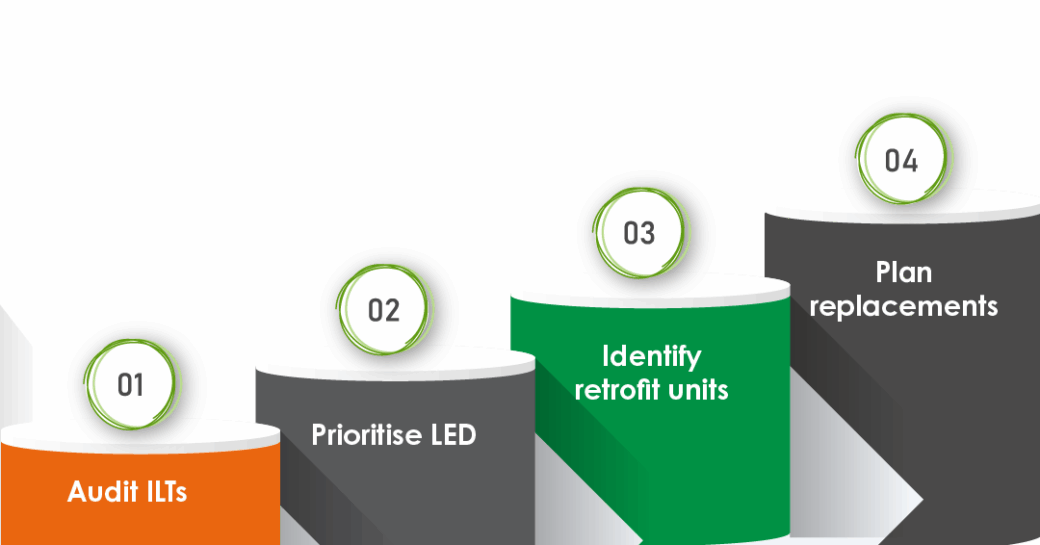
- Audit your estate: record the number of ILTs, their model types, and current lamp type
- Prioritise LED replacements: Where possible, plan to move directly to dedicated LED ILT units. These deliver the greatest long-term reliability, energy efficiency, and performance in insect attraction
- Identify retrofit opportunities: For units still within their service life, assess whether they can be upgraded using Opti-Catch LED retrofit tubes
- Plan ahead for replacements: for units not suitable for retrofit, consider moving to a dedicated LED ILT.
- Target critical sites first: In areas where pest control is critical for operations or high-sensitivity environments, prioritise the adoption of LED ILTs to ensure continuity and compliance
- Review spares and stock: For customers continuing to use fluorescent lamps, it’s good practice to review existing stock levels and plan routine replenishment with your distributor as the market transitions over the coming years
- Stay informed: Pelsis actively monitors RoHS exemption reviews in both the EU and GB and will keep our partners updated with any developments affecting product availability
Why choose Pelsis?
Pelsis is a global market leader in pest control and insect light trap technology.
Our products are developed by combining engineering expertise with entomological insight to deliver proven, effective insect control.
All our LED ILTs and retrofit solutions are independently tested by third-party laboratories to ensure reliable, impartial performance results.
If you have any questions, our team is ready to provide technical guidance, compatibility checks, or further to help you choose the best solution for your business.
Frequently asked questions
- Is there an immediate ban on fluorescent lamps for ILTs?
No. Specialist UV lamps for insect control are currently covered by a RoHS exemption allowing limited mercury content and remain available while the exemption is in force or under review. - What is the exemption expiry date?
The exemption is currently listed until 24 February 2027. Renewal requests were submitted by LightingEurope in August 2025, with a public statement in October 2025 confirming that exemptions remain valid while renewal requests are evaluated. - If the exemption is refused, what happens?
If a renewal is not granted, the European Commission is expected to provide a transition period of 12 to 18 months to allow the market to adjust. The EU’s review process can take up to two years, so changes would not be immediate in most cases. - Can I just swap fluorescent tubes with LED tubes in my existing ILT?
Sometimes, but it depends on the ILT control gear and the retrofit LED lamp. Some retrofits require only a lamp and starter change; others may not be compatible with current solutions on the market.
For more information, please contact our team at sales@pelsis.com.